Emergency Experts Sound the Alarm: The Dangerous Blind Spot in Most American Family Emergency Kits That Could Turn Any Extended Storm Outage Into a Medical Emergency

Most families who believe they are prepared for severe storm season have a critical gap in their thermal plan — and in humid post-storm conditions, the failure happens faster than most parents realize
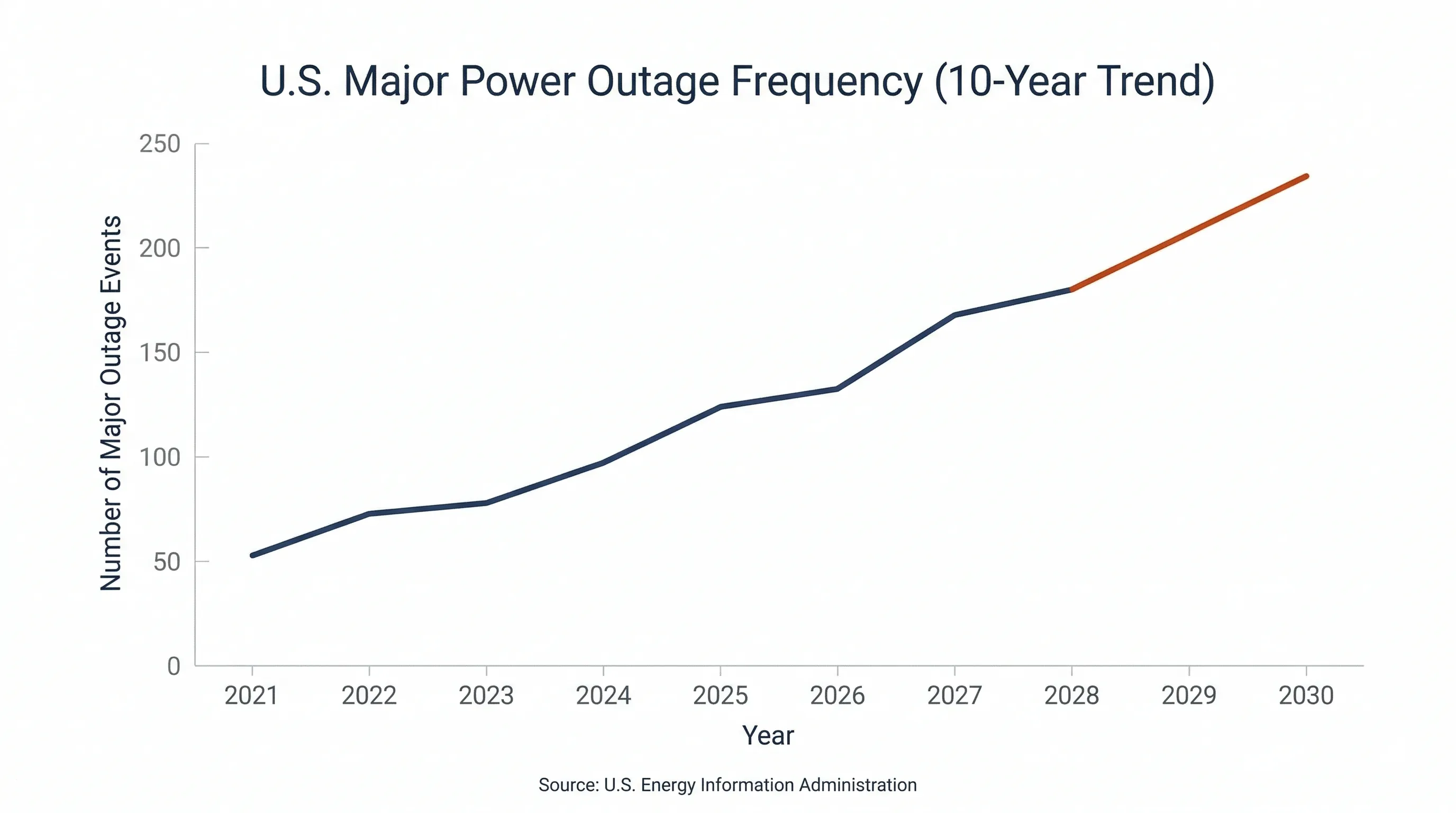
- Major power outages in the U.S. have increased 67% over the past decade, with storm season driving the largest single spikes
- Hurricane-related outages now average 3 to 16 days — far beyond what most emergency kits are designed to handle
- Emergency researchers have documented a specific failure mode in cotton bedding that is MORE pronounced in humid storm conditions — not less
- An emergency management consultant with 19 years of disaster response experience is warning families to close this gap before storm season peaks
- The technology that solves it has been used by emergency professionals for 40 years — most families have never heard of it
BATON ROUGE, LA —
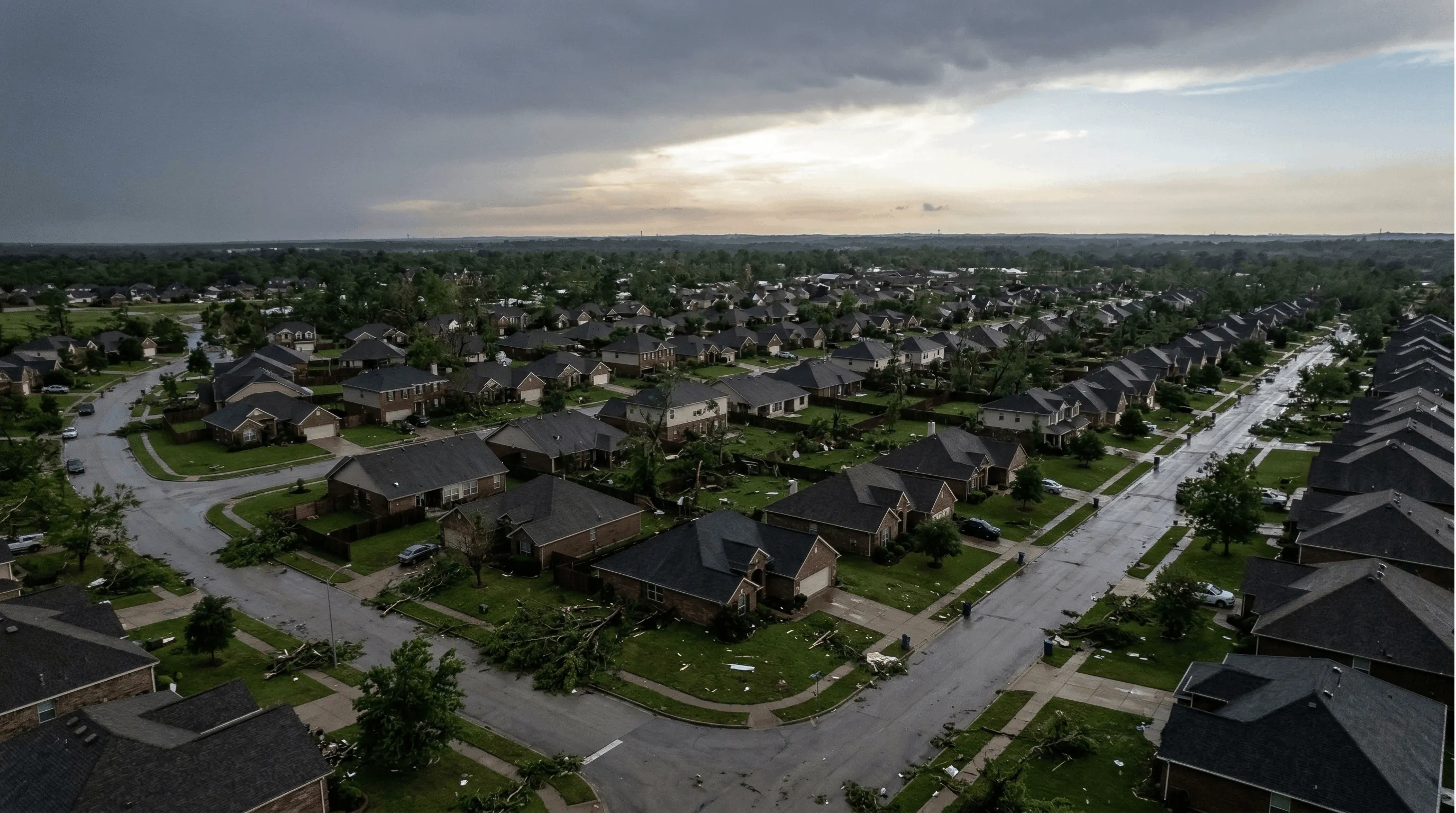
When Hurricane Ida tore through Louisiana in late August 2021, knocking power out across more than one million homes for an average of 16 days, emergency rooms across the Gulf Coast began filling with patients presenting thermal stress symptoms within the first 48 hours.
Most of those patients came from homes where parents and caregivers described themselves as fully prepared.
They had bottled water. Canned food. Flashlights with fresh batteries. First aid kits. Some had generators.
What they didn't have — and what emergency management professionals say almost no family has — was the one thing that would have actually protected their families through the nights that followed the storm.
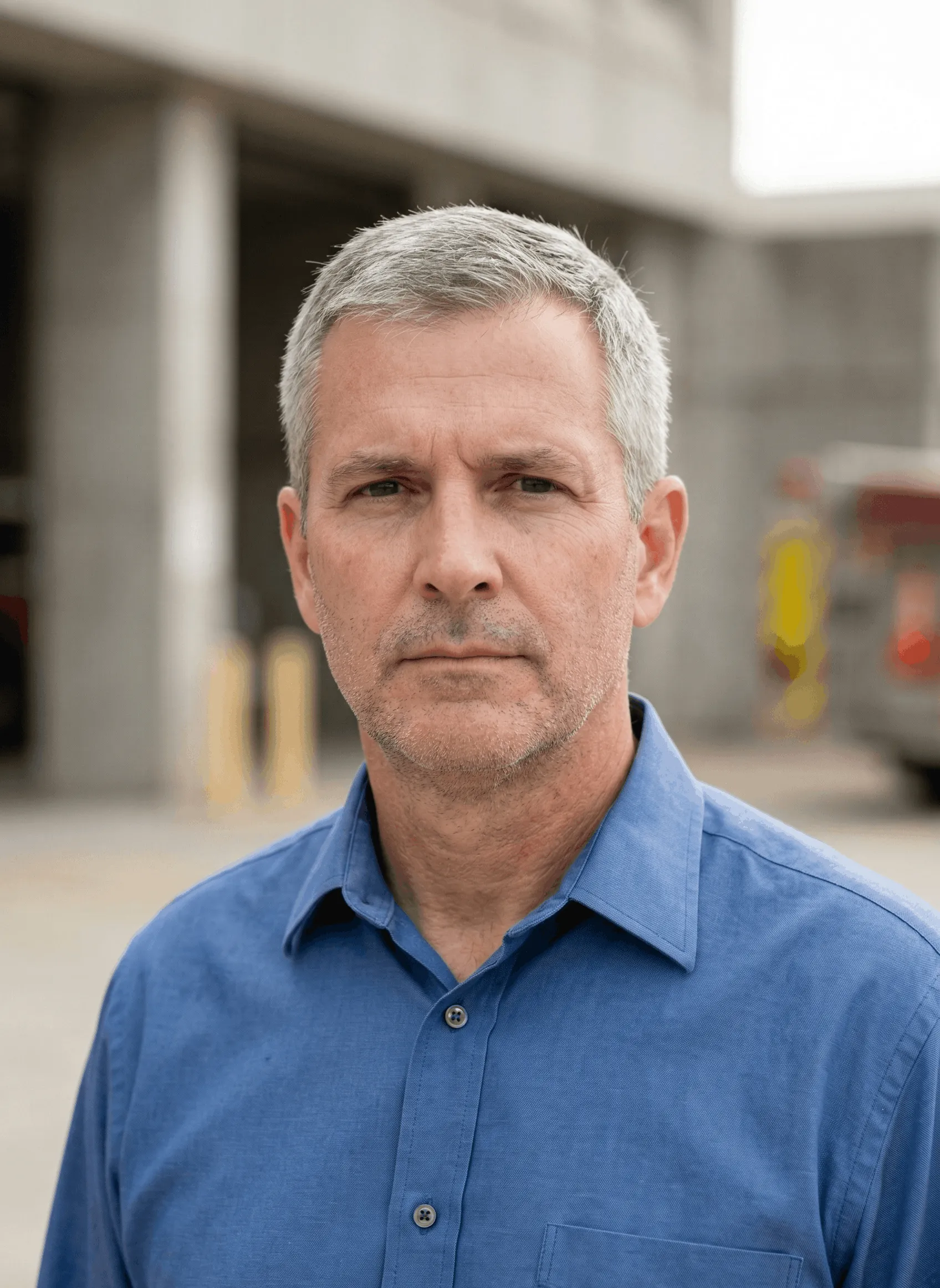
"The food and water aren't the primary issue in a 72-hour to two-week outage. Temperature regulation is the issue. And the way most families are planning to handle it is genuinely dangerous — not because they haven't tried, but because nobody has ever explained what actually happens to their emergency bedding in the conditions that follow a major storm." — Marcus Webb, Emergency Management Consultant, 19 Years Disaster Response

The thermal protection solution emergency professionals have used for 40 years is now available for families — currently 50% off:
Check TerraShell Availability and Current Pricing →America's Power Grid Is Less Reliable Than It Was Ten Years Ago
This isn't a prediction about future vulnerability. The decline is already measured and documented.
Data from the U.S. Energy Information Administration shows that major power outages affecting more than 50,000 customers simultaneously have increased 67% over the past decade. Storm season now drives the majority of major outage events — fueled by increased severe storm frequency, intensifying hurricane seasons, and grid overload from peak heat demand.
The average hurricane-related power outage in the United States now lasts between 3 and 16 days. For families in the Gulf Coast, Southeast, and Atlantic corridor, a severe storm does not mean a few uncomfortable hours — it means losing power for potentially two weeks during some of the most physically demanding weather conditions of the year.
"When the power comes back in a few hours, nothing in your kit gets tested. It's the 72-hour outage, the week-long outage, the 16-day outage — those are where the gaps show up. And the gap I see in almost every home I evaluate is the thermal plan." — Marcus Webb
FEMA recommends every household maintain a 72-hour emergency preparedness kit. Fewer than 39% of American households currently meet that standard.
But Webb's concern isn't primarily with unprepared families. It's with prepared ones.
"These Weren't Unprepared Families"
Marcus Webb has walked through hundreds of family emergency kits over the course of his career. He has seen water storage systems and non-perishable food with two-year shelf lives. He has seen weather radios, backup lighting, professionally stocked first aid kits, and binders with emergency contact sheets and evacuation plans.
He has also seen, in virtually every one of those homes, a designated stack of cotton blankets and bedding set aside for emergencies.


"That's the gap. Families think about food and water and light. They almost never think carefully about what happens to their thermal environment over three or ten or sixteen days without power. And the cotton bedding they've set aside — it feels like preparation. It feels substantial when you hold it. But in the conditions that actually follow a major storm, it can fail in ways that put families in serious danger." — Marcus Webb
The failure is not intuitive. It requires understanding something specific about how cotton behaves under the conditions that exist during an extended post-storm outage — conditions that are different from anything most families have experienced with their power running.
The Finding That Changed How Emergency Managers Think About Household Preparedness
Here is what emergency researchers document about cotton that most families don't know.
A person sleeping generates significant body heat. They also generate significant moisture — through respiration and perspiration — at rates that, under normal conditions with functioning climate systems, the ambient environment manages. During an extended power outage following a major storm, that moisture is not managed. It accumulates in the fibers of whatever the person is sleeping under.
This problem is more severe during warm-weather emergencies than most families realize.
Higher ambient temperatures mean bodies generate substantially more perspiration. Higher humidity — which follows virtually every major storm event — means that moisture accumulates faster in fabric and dries slower between uses. The conditions that follow a Gulf Coast hurricane, a severe Southeast thunderstorm system, or a summer grid failure from heat demand are among the worst possible conditions for cotton's thermal performance.
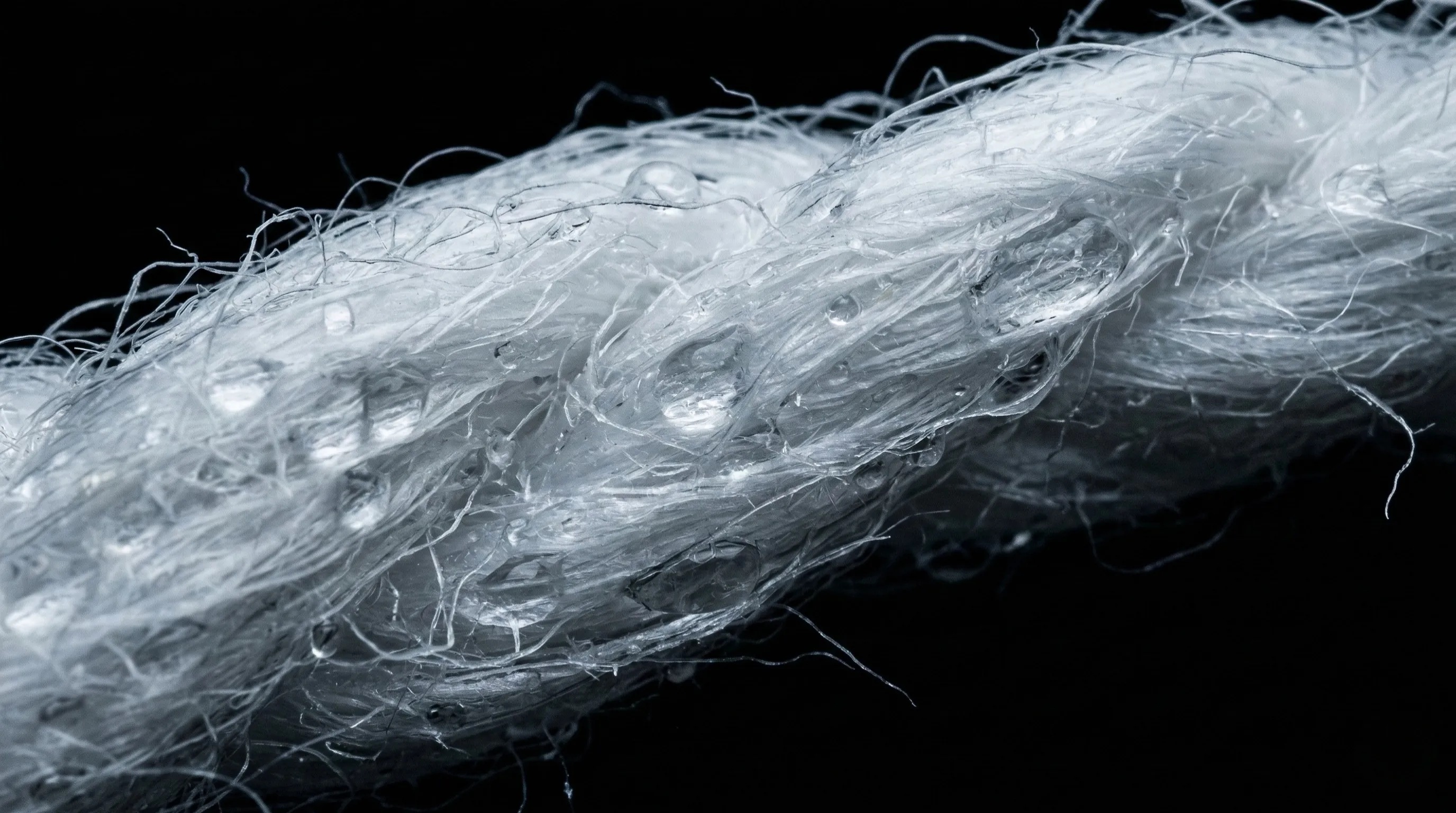
The thermal properties of cotton depend on air pockets trapped within the fiber structure. Moisture collapses those air pockets. Wet cotton does not simply insulate less effectively. Wet cotton actively conducts heat away from the body — at up to 25 times the rate of dry cotton.
What begins feeling warm and reassuring becomes, over the course of several hours, a mechanism for accelerating the exact temperature loss it was meant to prevent. And the progression is silent. A parent checking on a child can put their hand on the blanket, feel its surface, and have no indication that the thermal protection beneath has largely failed.
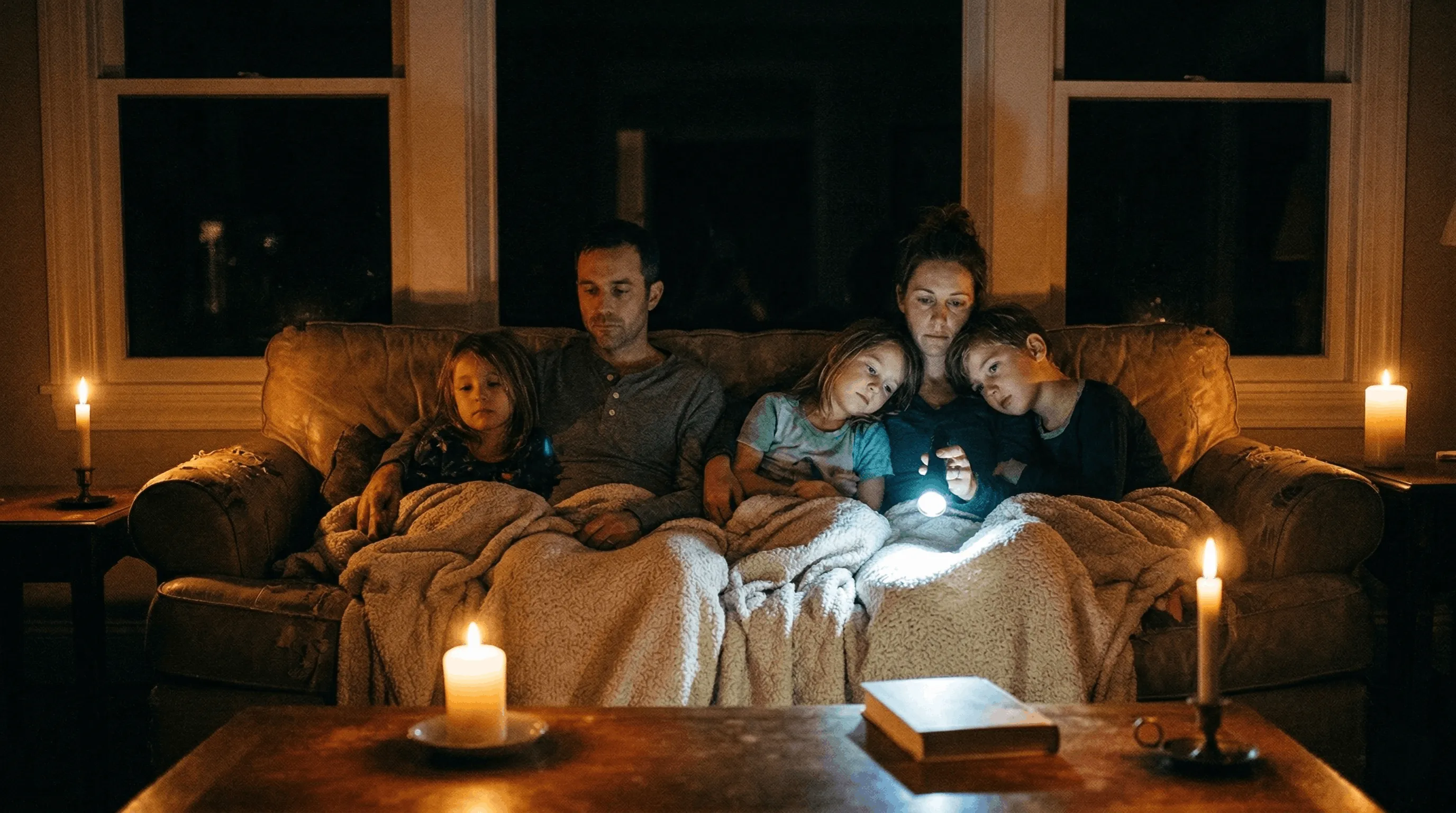

"People prepare for the heat. They are not prepared for the temperature drop on night three or four — when the storm system has cleared, temperatures fall sharply, and they have cotton bedding that's already absorbed three days of humidity and perspiration. That's when the medical calls start coming in." — Marcus Webb, Emergency Management Consultant
Analysis of weather-related emergency hospital admissions show that a significant portion of thermal-related emergency presentations during extended outages came from homes first responders classified as having "adequate bedding." The families had blankets. The blankets failed in the conditions of an extended post-storm outage.
Webb calls the progression the "thermal failure cascade." He has been documenting it in post-disaster analysis reports for years.
People prepare for the heat. They are not prepared for the temperature drop on night three — with cotton bedding that's absorbed days of humidity and perspiration. That's when the medical calls start coming in.
Emergency Management Consultant
19 Years Disaster Response Experience
The Technology Professionals Have Used for 40 Years
The solution to cotton's thermal failure exists. Emergency management professionals have carried it as standard equipment for four decades. It was developed originally for NASA — a method of maintaining survivable core temperatures in the extreme conditions of space, where conventional fiber insulation fails entirely.
The underlying physics is fundamentally different from conventional insulation. Rather than trapping warm air in fiber structures — the mechanism that moisture destroys — thermal survival technology uses a reflective metallic layer to physically return radiated body heat toward the body. The mechanism is closer to a mirror than a blanket. It does not depend on trapped air. Moisture does not degrade it. It cannot cascade toward failure the way cotton does.

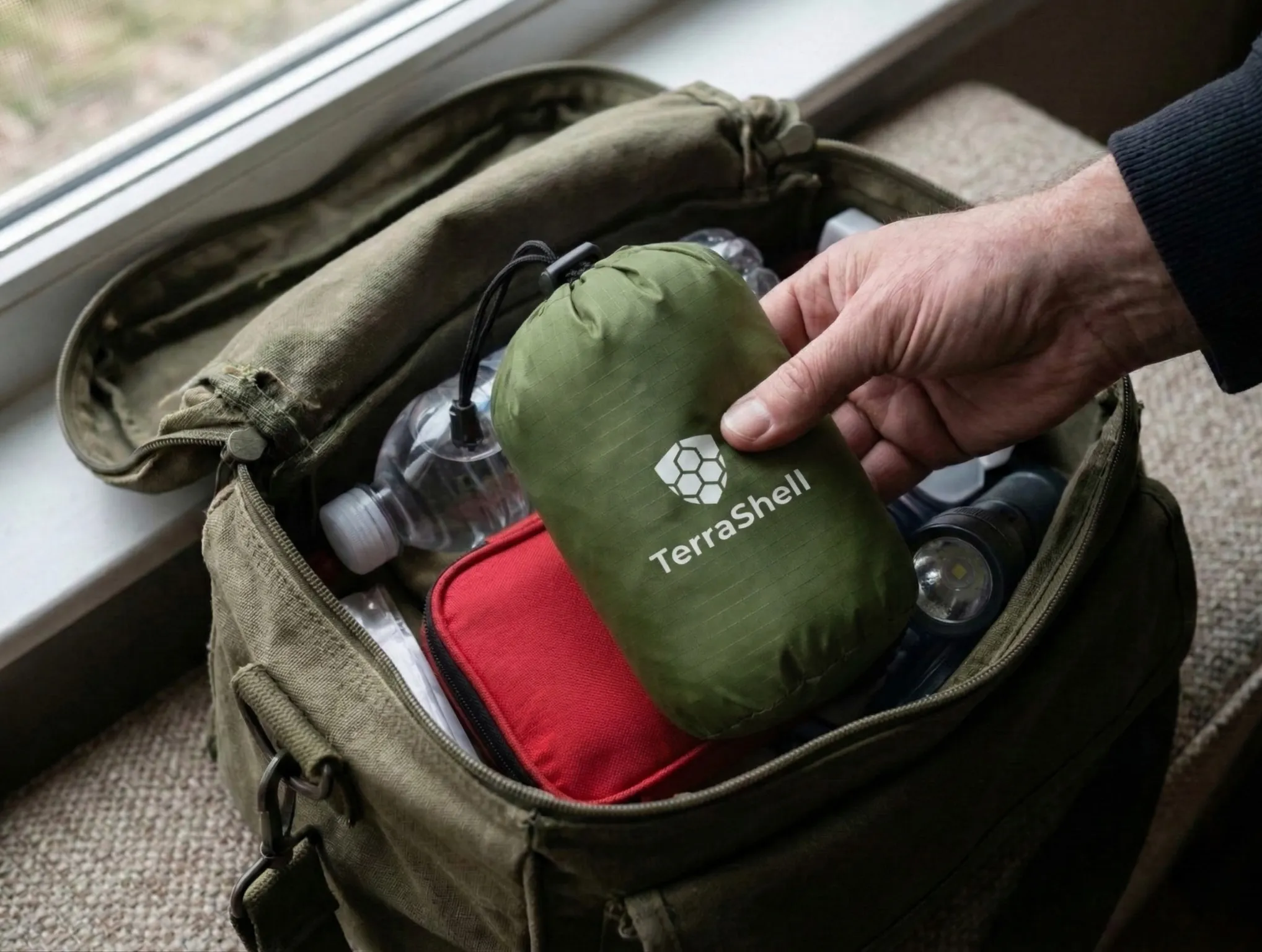
In high-humidity conditions — precisely the conditions that accompany spring and summer storm events — the performance advantage over cotton widens further. The reflective layer is completely unaffected by ambient moisture. While surrounding cotton bedding absorbs environmental humidity and loses its insulating capacity, the thermal protection remains intact throughout the night.
Properly constructed thermal survival blankets reflect approximately 90% of radiated body heat back toward the body. This technology is standard equipment among search-and-rescue teams, hurricane response units, wilderness survival programs, military field operations, and professional emergency management organizations.
Most American families have never heard of it.
Why It Hasn't Made It Into Home Emergency Kits — Until Now
Webb has a direct explanation for why technology used by professionals for 40 years hasn't crossed into household preparedness.
"The first generation of survival blankets worked on the physics. But they weren't designed for family use. They were large crinkly metallic sheets — loud, uncomfortable, difficult to use with children. They felt like equipment, which to a professional is fine. Families would buy one, try to use it, find it impractical, and go back to their cotton blankets." — Marcus Webb
This has begun to change. TerraShell, which Webb began recommending to families approximately two years ago, has generated significant discussion in emergency preparedness communities since it became available for direct consumer purchase. Previously distributed primarily through professional emergency management channels, the product was built from the outset for household use — with specific attention to the challenges that made earlier designs impractical for use with children during nighttime emergencies.
"The engineering decisions matter. It's significantly quieter than traditional designs — which matters when you're trying to settle a child at 2 AM after a storm has passed through. It folds to a size that fits in a standard emergency kit without taking meaningful space. It maintains the 90% heat reflection that makes the technology effective. And it's built for exactly the conditions we're talking about — nights following major storm events, extended outages, evacuation scenarios where you don't control your environment." — Marcus Webb
The same technology emergency professionals have relied on for 40 years — now engineered for family use:
Check TerraShell Availability and Current Pricing →What Families Who Have Used It During Actual Storm Outages Are Saying
Since TerraShell became available to consumers, families who have used it during actual storm-related power failures have been sharing their experiences in preparedness forums and community groups.
"We lost power for nine days. I had prepared carefully — water, food, flashlights, all of it. The first couple of nights were manageable but by day three the humidity was something else and I was getting worried about the kids. We had TerraShell and I had no idea how much we'd need it. When the storm cleared the nights got cold fast. My kids slept through. I've been through bad outages before. This was completely different."

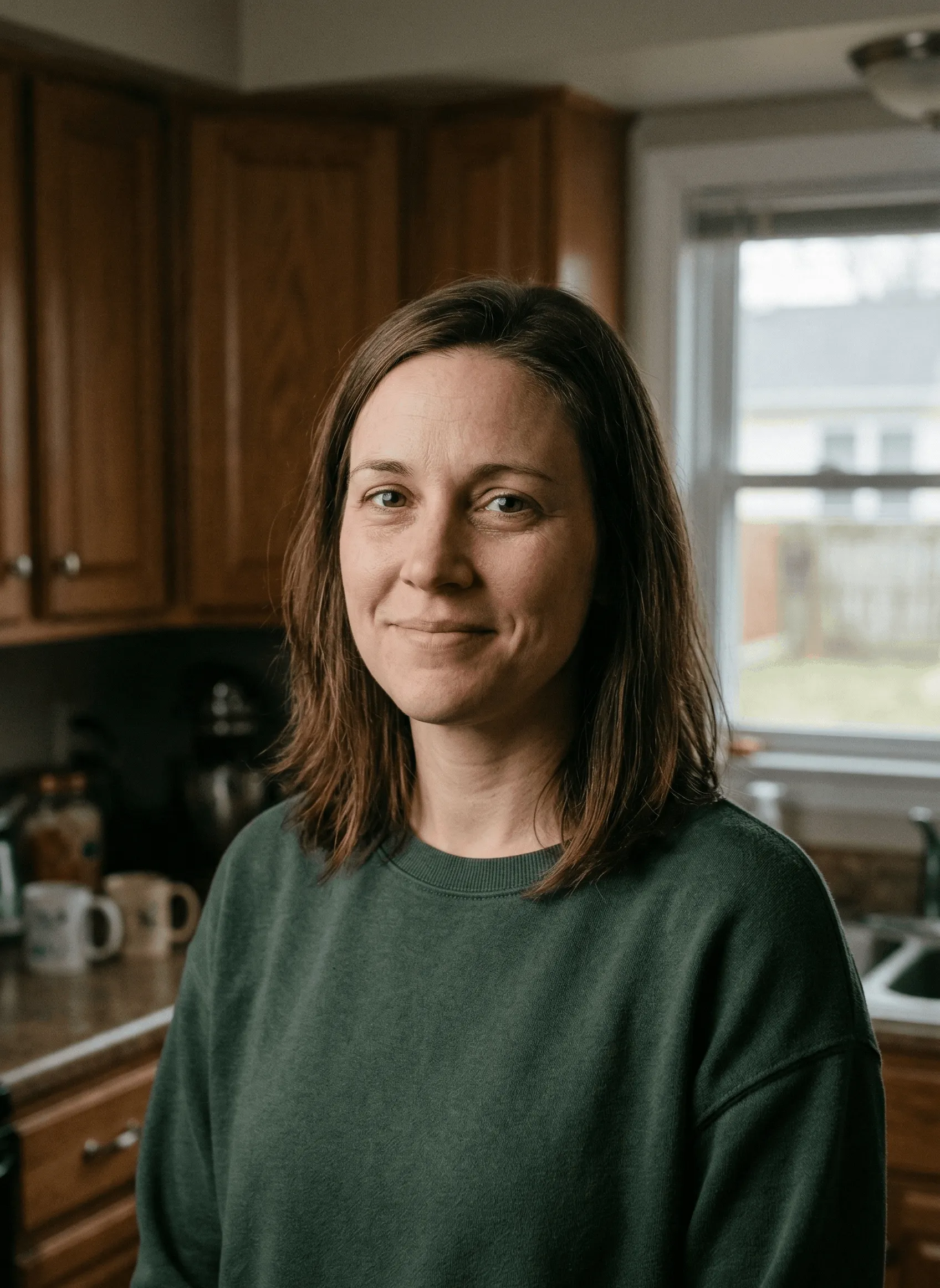
"I've recommended survival blankets to family members for years. TerraShell is the first I've felt comfortable recommending for home use with children and elderly family members. It's what the professionals use, built so that families will actually use it correctly. Storm season is not the time to discover your kit has a gap."
"I used to genuinely dread storm season after losing power for a week a few years back. With TerraShell this time, I actually felt ready for the first time. That feeling of being genuinely prepared — not just hoping for the best — that's worth everything."
I started recommending it two years ago. I've had families contact me after their first real storm outage. The response is always the same — they can't believe the difference.
Emergency Management Consultant

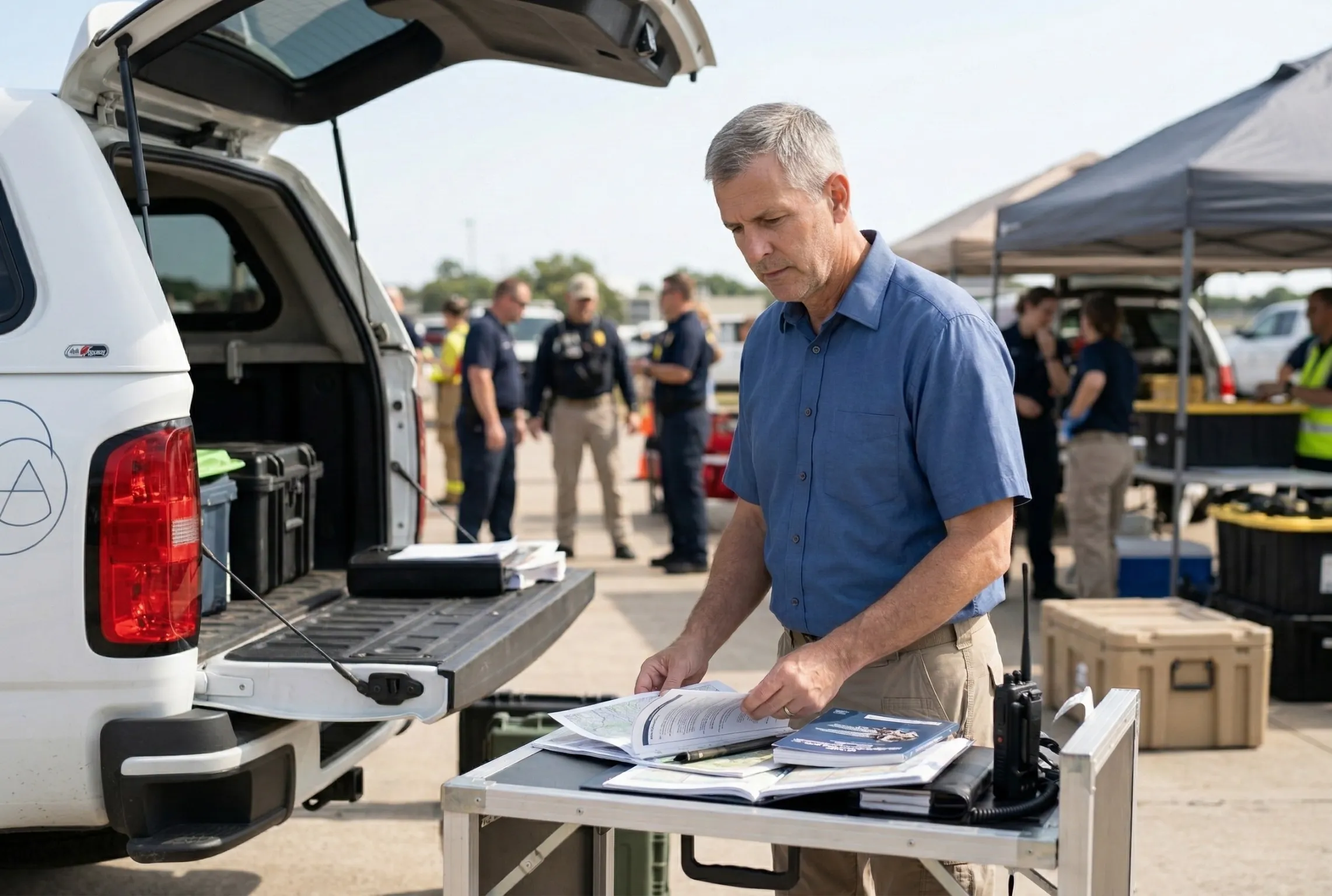
What Emergency Experts Are Recommending for Families This Storm Season
Webb offered the following guidance for families reviewing their emergency preparedness before severe weather activity peaks:
Audit your thermal plan specifically
Don't evaluate your emergency kit in general — evaluate exactly what would keep your family at a safe temperature if the power went out tonight and lasted for five days in humid post-storm conditions. Cotton does not maintain its stated insulating value in those conditions. Be specific about this.
Plan for one unit per family member
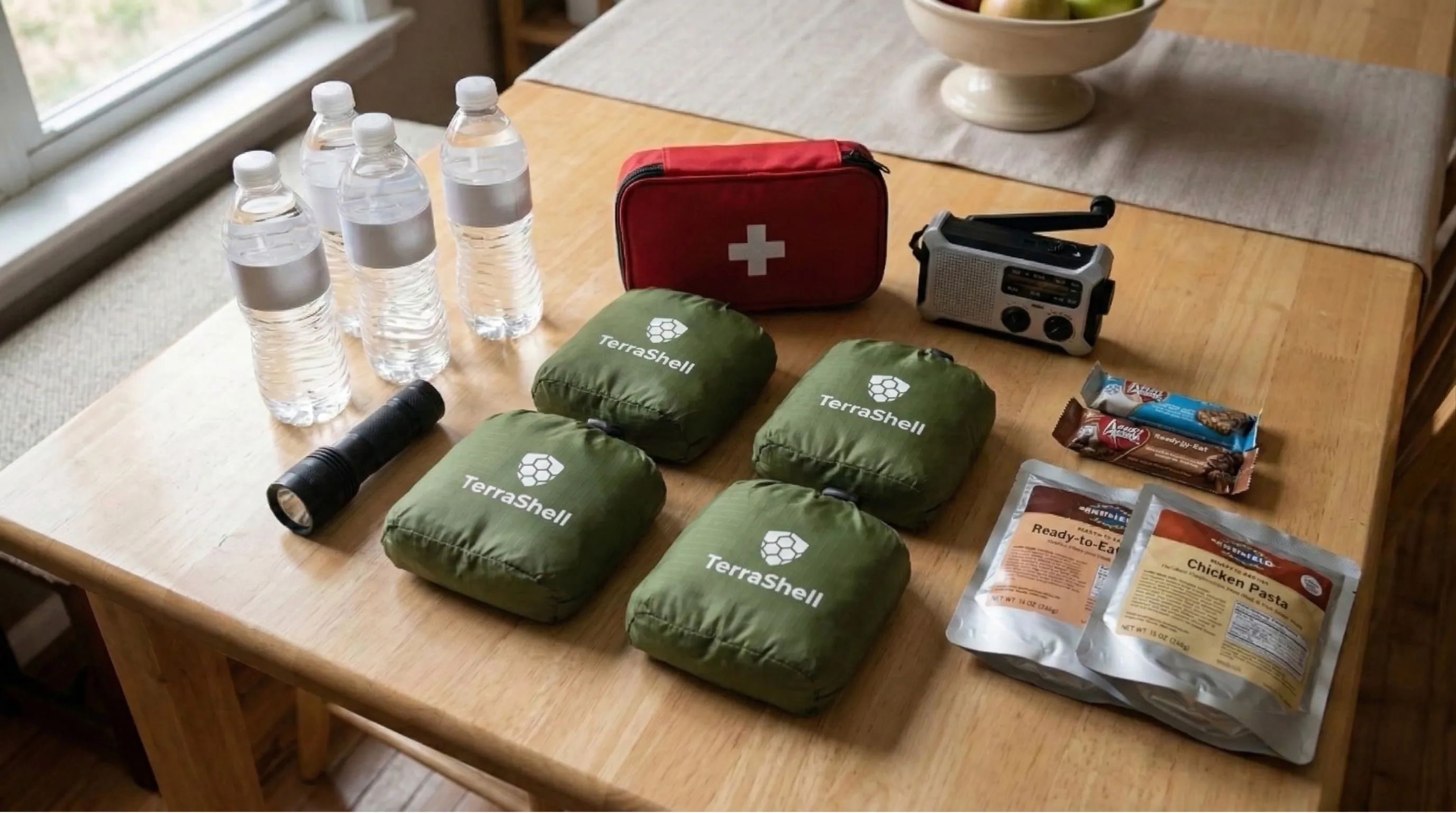
Webb recommends one TerraShell for each household member, stored with the primary emergency kit. He notes that a family of four's complete thermal emergency supply in TerraShell takes up less physical space than a single folded cotton blanket.
Don't overlook your vehicle
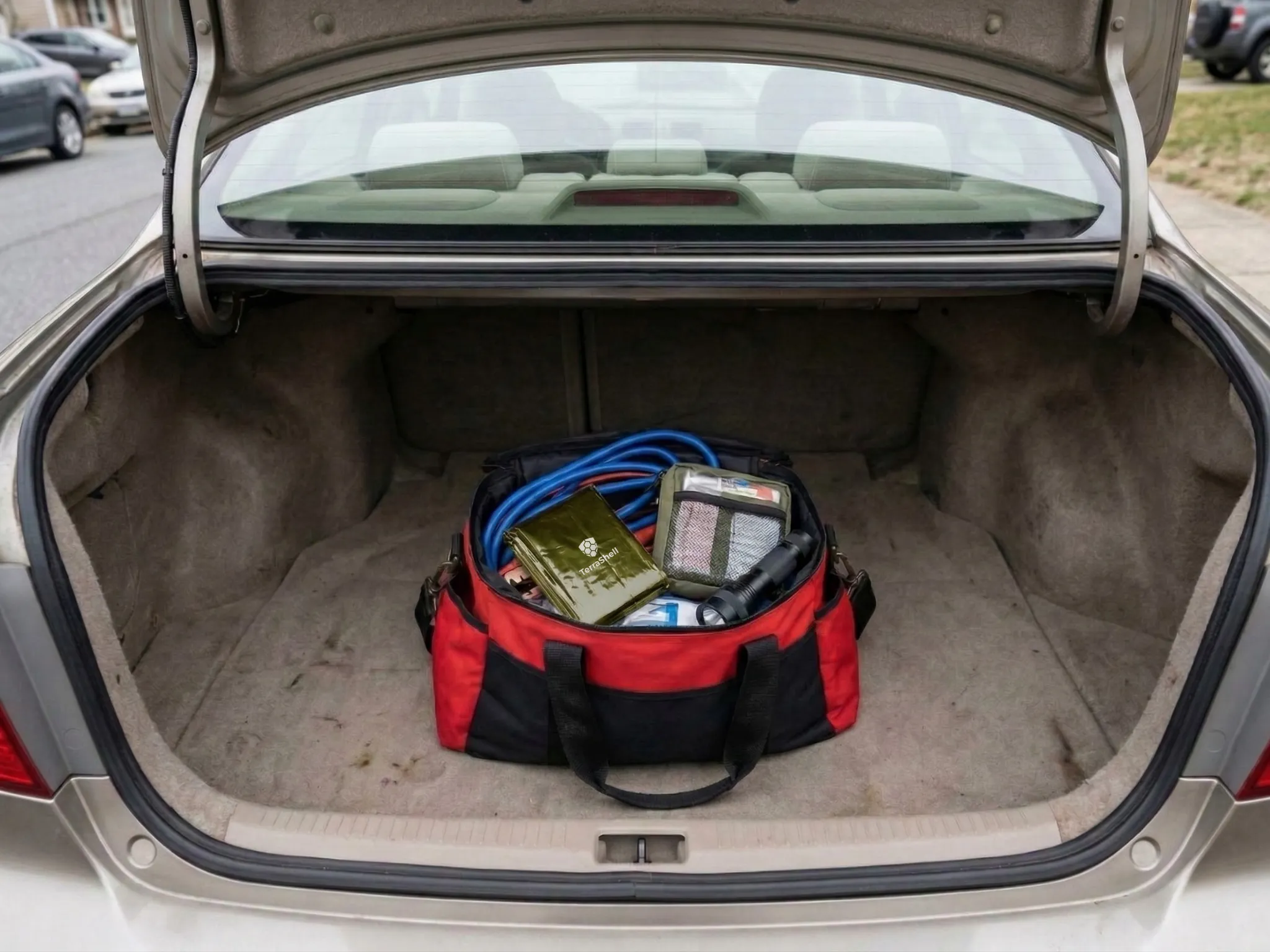
Severe storm breakdowns and roadside emergencies represent one of the highest-risk thermal exposure scenarios families face during storm season, particularly during evacuations. Webb recommends a single unit in the trunk or glove compartment as a minimum. "Most families have nothing in their vehicle for this scenario. That gap has cost lives."
Account for evacuation scenarios
Families evacuating ahead of a major storm may spend nights in vehicles, community shelters, or relatives' homes with unreliable power. Emergency shelters operating on generator power are frequently overcooled. Having a thermal solution that doesn't depend on the shelter's climate system is part of a complete evacuation plan.
Address gaps before they matter
Webb's consistent observation over 19 years is that families who identify and close preparedness gaps before an emergency make substantially better decisions than those who discover gaps during one. "The time to find a problem in your kit is not when the storm has already made landfall."
The Bottom Line
America's power grid is failing more frequently, during more severe storm events, for longer durations. Emergency management professionals have used thermal survival technology — the category of product TerraShell represents — as standard equipment for four decades, because they understand the documented failure mode of conventional cotton insulation in extended outage conditions.
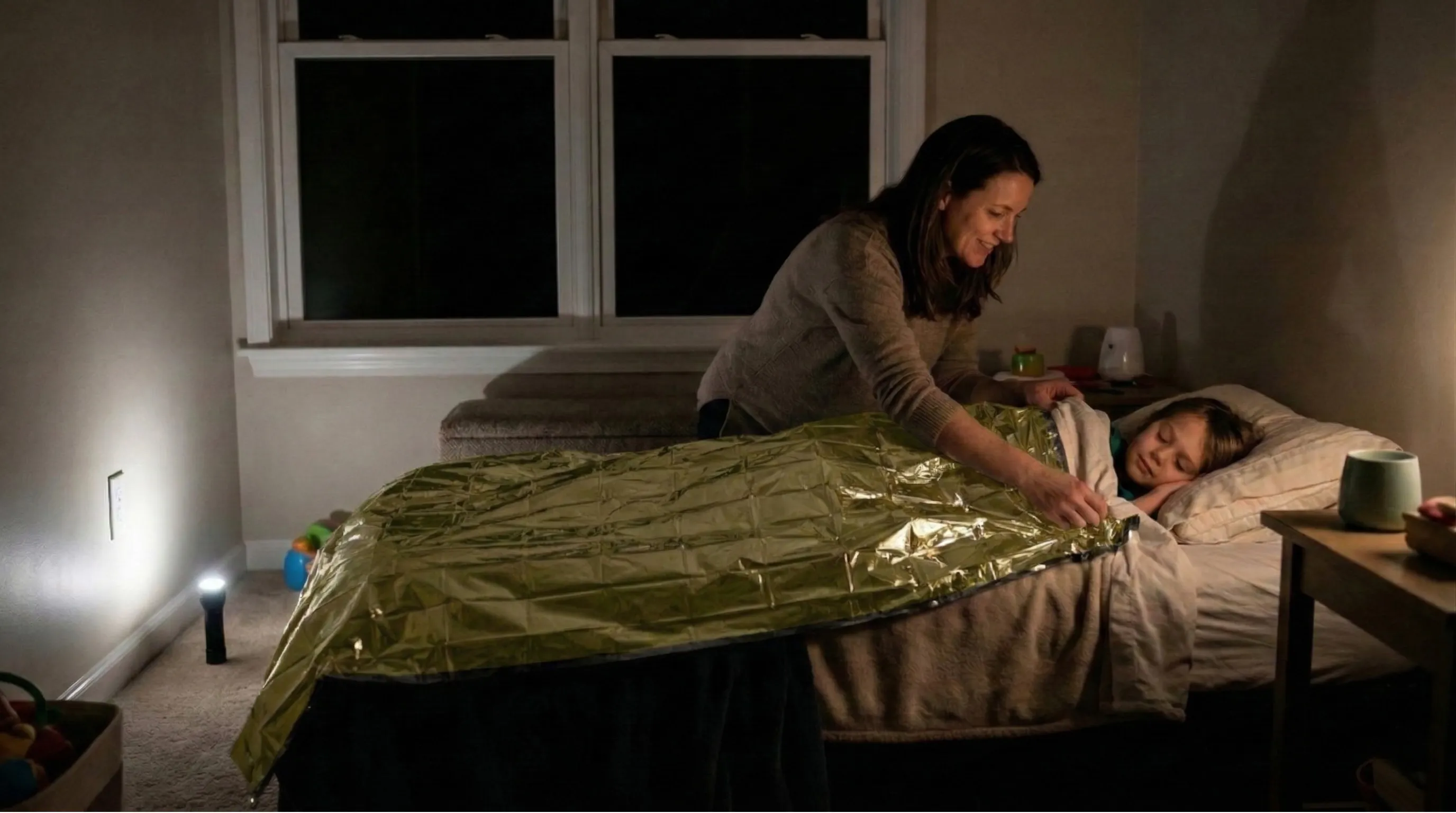

In humid, warm-weather emergency conditions — precisely the conditions that accompany spring and summer storm events — that failure mode is more pronounced, not less. Higher humidity means cotton absorbs faster. Higher body temperatures from ambient heat mean more perspiration. Cotton fails sooner, harder, and more silently than in any other conditions.
The barrier has never been the technology. It has been accessibility and practical design for family use.
For families who have invested in emergency preparedness and want to be confident they have addressed what emergency experts consistently identify as the most dangerous gap — thermal plan failure during extended outages — Webb's recommendation is direct.
"You've done the work. The food, the water, the light — most prepared families have those covered. The piece that's most likely to turn a manageable storm outage into a medical emergency is thermal protection. That's the piece TerraShell addresses. And storm season doesn't wait." — Marcus Webb, Emergency Management Consultant
Where Families Are Finding TerraShell
TerraShell ships directly from the manufacturer, with most orders delivered within two business days. For readers of this report, the company is currently extending a limited new-customer discount through their official website.

Emergency preparedness experts note that demand for quality thermal survival products increases significantly as severe weather activity picks up and following major storm events. The manufacturer has reported periodic inventory limitations due to demand spikes, and current stock levels are not guaranteed.

120-Day Risk-Free Trial
Every TerraShell order comes with a complete trial period. Open it in your living room, test it yourself, confirm it performs exactly as described. If it doesn't deliver, return everything for a full refund — no forms, no conditions, no questions.
120-Day Money-Back Guarantee · Free Shipping with Roadside Plus in USA · 2-Year Manufacturer Warranty · Not on Amazon or eBay

Storm Season Doesn't Wait. Neither Should This.
The same thermal protection technology emergency professionals have relied on for 40 years — engineered for family use, available now with 50% off the Family Bundle and free priority shipping.
Check TerraShell Availability and Current Pricing →Claim Your 50% Off Family Bundle Before This Batch Sells Out →ADVERTISING DISCLOSURE:
This is an advertisement and not an actual news article, blog, or
consumer protection update. The story, quotes, and data depicted on
this page are used for illustrative purposes. Results depicted are
illustrative and may not represent typical results. This page may
receive compensation for clicks on or purchase of products
featured.
Copyright Copy Hero LLC